Zero-to-Hero Career Pilot Program
Your Future in Flight Starts Here
Prepare for a rewarding career in commercial aviation. Flexible hours, competitive pay, easy travel—these are just some of the benefits you can enjoy when you fly commercially, no college degree required! Vertical Vision Flight Academy equips you with the best training so you can earn your commercial pilot’s license within a year, even with zero prior experience.

The Private Pilot License is the first step in your journey toward becoming a professional pilot. In this phase of training, students learn the fundamental skills required to safely operate an aircraft and begin building the foundation for all future flight training. Through a combination of ground instruction and hands-on flight training, students develop an understanding of aerodynamics, aircraft systems, weather, navigation, airspace, and Federal Aviation Regulations while learning how to safely plan and conduct flights.
During this course, students train with a certified flight instructor to master core flight maneuvers, takeoffs and landings, emergency procedures, and cross-country navigation. As training progresses, students will complete their first solo flight and eventually conduct solo cross-country flights to demonstrate their growing independence and decision-making skills. Upon completion of the program, students earn their Private Pilot License, allowing them to act as pilot in command of an aircraft and continue advancing toward more complex ratings and professional pilot training.

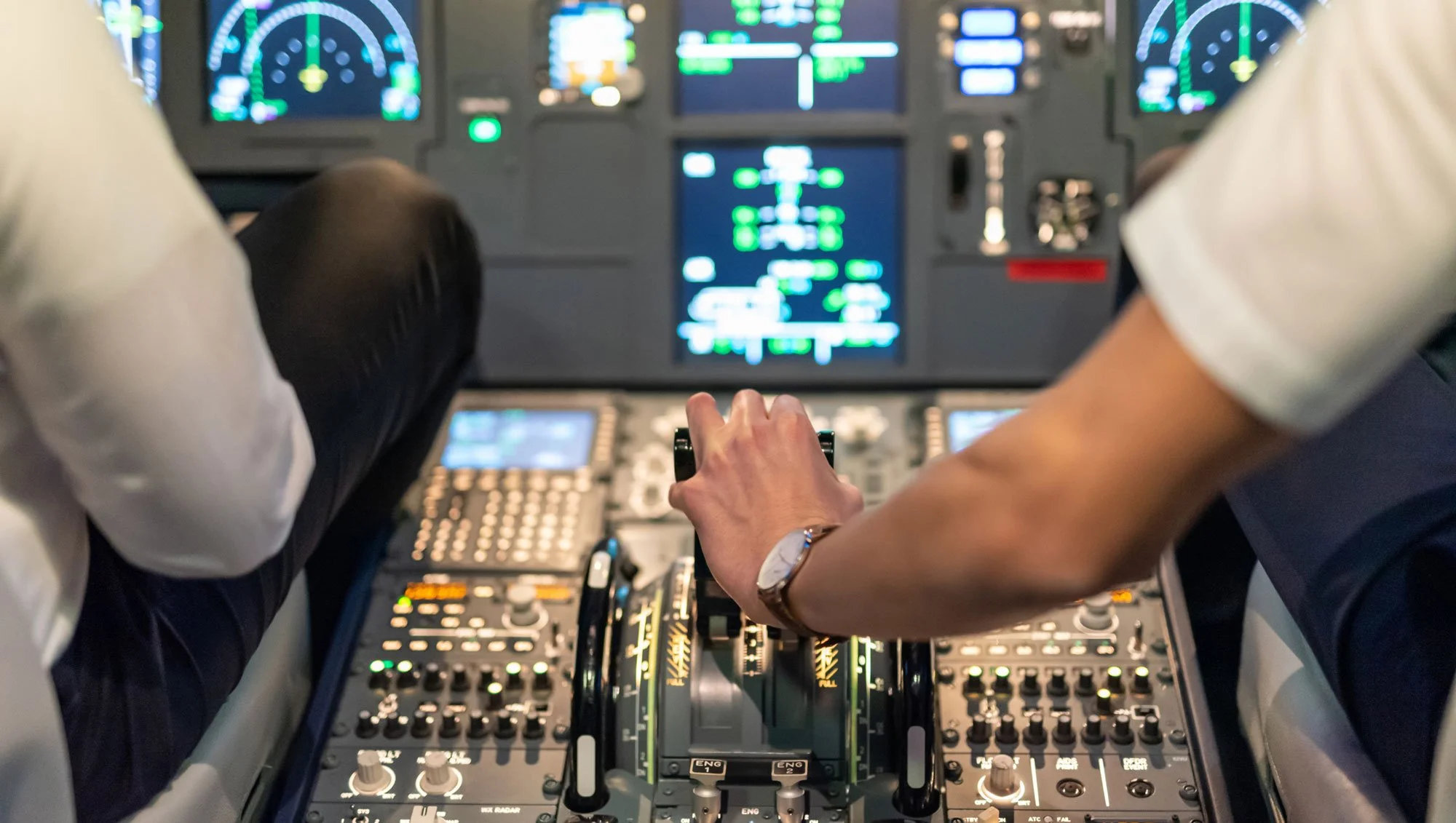
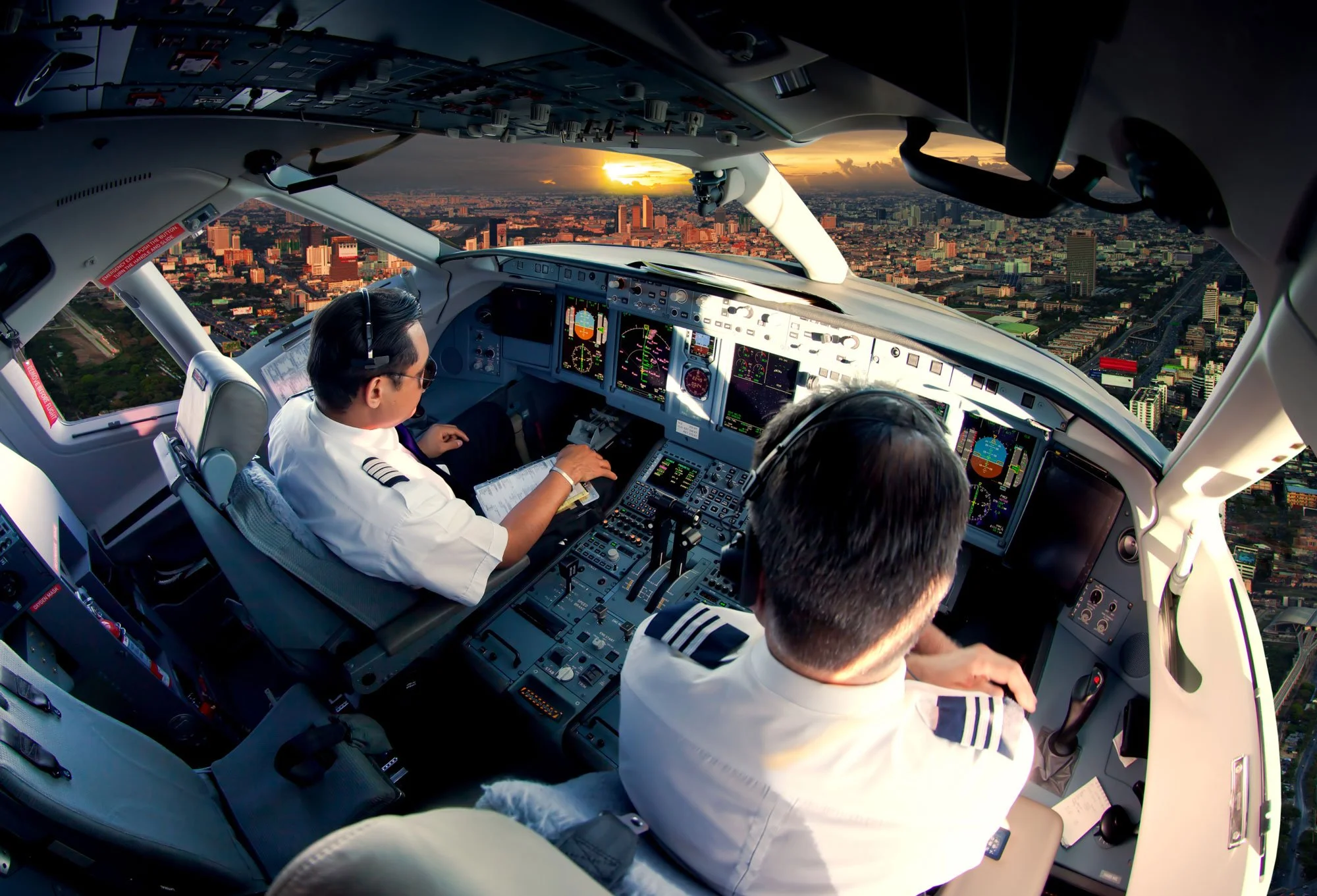
The Instrument Rating Course builds upon the foundational flying skills developed during the Private Pilot License Course and introduces pilots to flying solely by reference to their aircraft’s instruments. This phase of training prepares students to safely operate in reduced visibility conditions such as clouds, fog, and low visibility environments while maintaining precise control of the aircraft.
Through a combination of ground instruction, simulator training, and in-flight experience, students learn advanced navigation, instrument procedures, air traffic control communication, and weather interpretation. Training focuses on instrument approaches, departures, enroute navigation, and cockpit resource management while flying under Instrument Flight Rules (IFR). By the end of the course, students develop the precision, situational awareness, and decision-making skills required to operate safely in the national airspace system under instrument conditions, an essential step toward becoming a professional pilot.
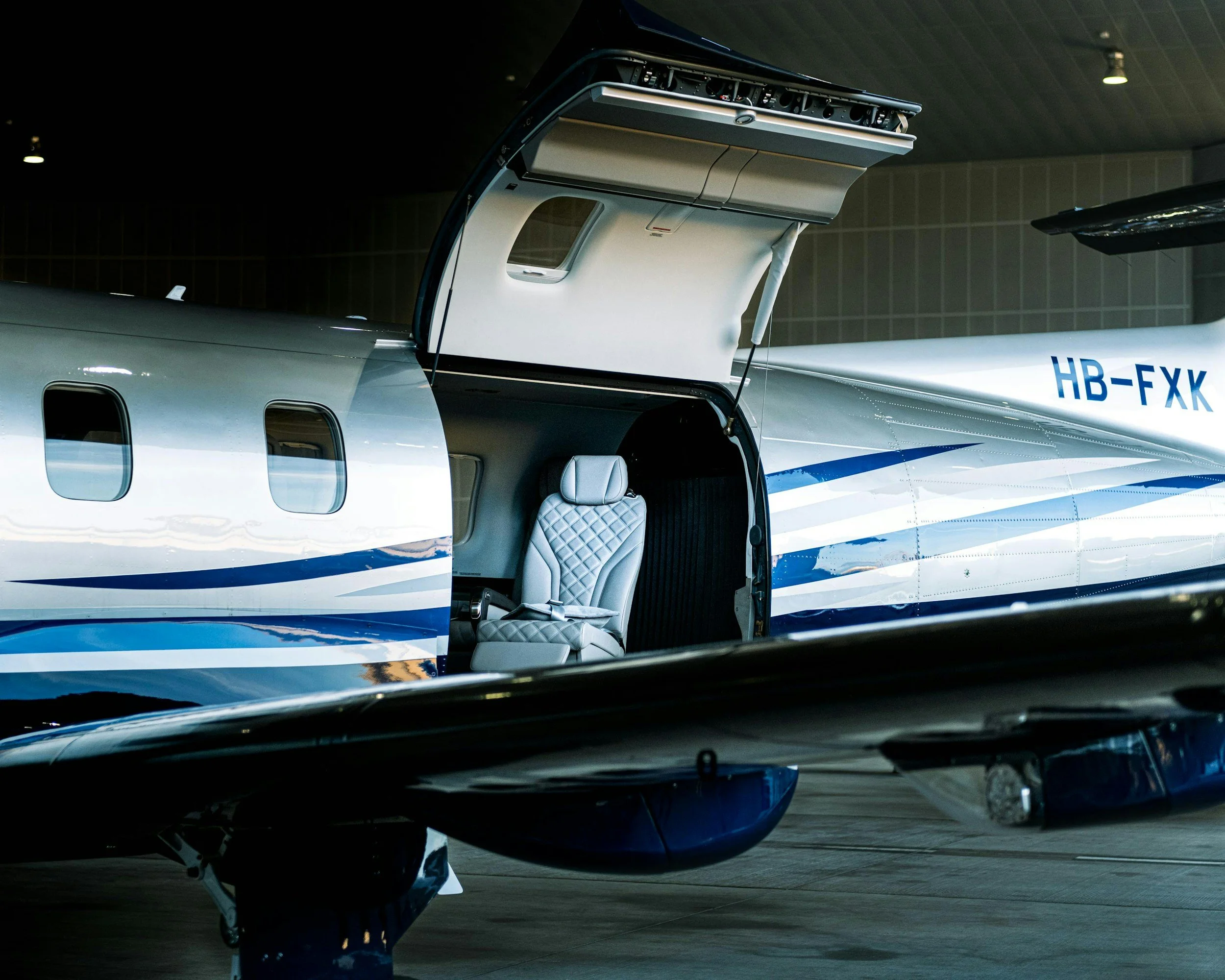
The Single Engine Commercial Pilot License Course is where pilots transition from recreational flying to professional-level aviation. Building on the skills developed during the Private Pilot License Course and Instrument Rating Course, this stage of training focuses on refining precision, consistency, and aeronautical decision-making to meet the higher performance standards required of commercial pilots.
During this course, students develop advanced aircraft control, master complex flight maneuvers, and gain deeper experience in cross-country flight operations. Training emphasizes professionalism, flight efficiency, and the ability to operate safely in a variety of real-world scenarios. Pilots also expand their knowledge of aircraft systems, regulations, and operational planning required for commercial operations. Upon successful completion, students earn their Single Engine Commercial Pilot License, allowing them to legally fly for compensation or hire and marking a major milestone on the path toward a professional flying career.
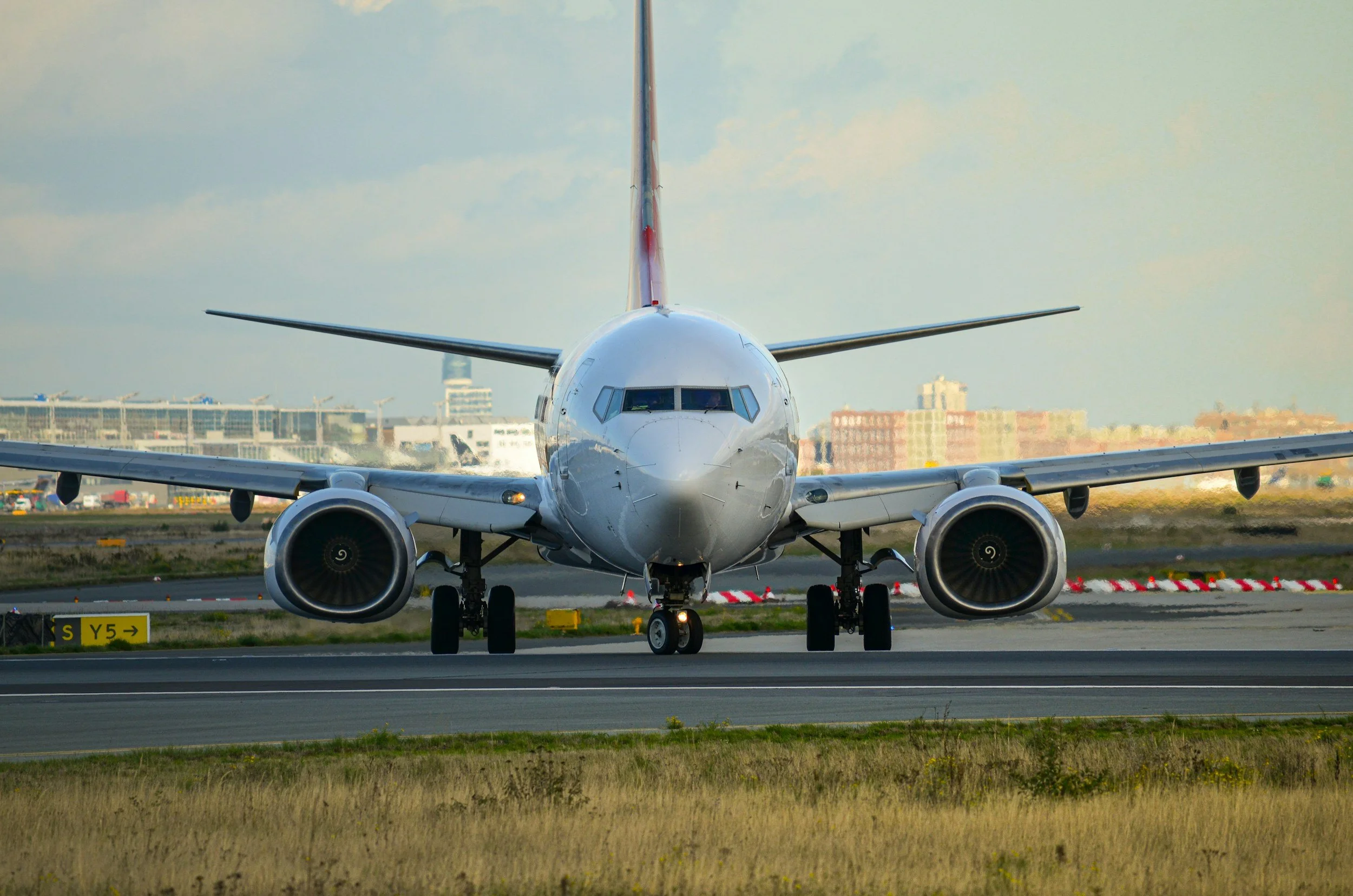
The Commercial Pilot License Multi-Engine Course expands a pilot’s capabilities by introducing the performance and systems associated with multi-engine aircraft. In this stage of training, students learn how to safely operate aircraft with more than one engine while developing a deeper understanding of aircraft performance, aerodynamics, and systems management.
Training focuses on multi-engine flight operations, including engine-out procedures, performance planning, advanced aircraft systems, and the unique handling characteristics of multi-engine airplanes. Students learn how to manage asymmetric thrust, maintain aircraft control during engine failures, and operate safely in both normal and abnormal situations. By the end of the course, pilots earn their Multi Engine Commercial Pilot License, significantly expanding their qualifications and opening the door to a wider range of professional aviation opportunities.

The Certified Flight Instructor Course is where pilots transition from simply flying aircraft to teaching others how to fly. For many professional pilots, becoming a flight instructor is one of the most common and effective ways to build the flight experience required for airline and commercial aviation careers. This certificate allows pilots to teach new students, share their knowledge, and log valuable flight hours while developing stronger decision-making, communication, and leadership skills in the cockpit.
During this course, students learn how to teach flight maneuvers, explain complex aviation concepts, and guide students through both ground and flight training. Emphasis is placed on lesson planning, instructional methods, risk management, and the principles of effective teaching. Pilots also refine their own flying skills while learning how to demonstrate maneuvers to the standards expected of a professional instructor. Upon completion of the course, graduates earn their Certified Flight Instructor certificate, allowing them to train future pilots while building valuable flight experience toward their professional aviation careers.

The Certified Flight Instructor – Instrument Course allows pilots to expand their instructional privileges by teaching students how to fly using only the aircraft’s instruments. This certification enables instructors to provide instrument flight training, helping students develop the skills required to safely operate in reduced visibility conditions and within the instrument flight rules system. For professional pilots building experience as instructors, this rating significantly increases the types of training they can provide and the opportunities available to build valuable flight time.
During this course, pilots learn how to effectively teach instrument flight procedures, including instrument approaches, departures, enroute navigation, holding procedures, and advanced weather interpretation. Training focuses not only on performing these tasks at a high level of proficiency, but also on clearly explaining and demonstrating them to students. By the end of the course, graduates are qualified to instruct instrument students and play a critical role in developing safe, precise, and highly skilled instrument pilots.

The Multi-Engine Instructor certification is the final step in the Zero-to-Hero Career Pilot Program and represents the highest level of instructional qualification within the program. This certification allows pilots to teach students how to safely operate multi-engine aircraft, expanding their instructional privileges and making them even more valuable as professional flight instructors.
During this stage of training, pilots learn how to teach the advanced concepts associated with multi-engine flight, including multi-engine aerodynamics, aircraft performance, systems management, and engine-out procedures. Training focuses on both mastering these complex operations and effectively demonstrating and explaining them to students. By the end of training, graduates earn their Multi-Engine Instructor certificate, allowing them to instruct multi-engine students and further expand their experience while building flight time toward airline and professional aviation careers.
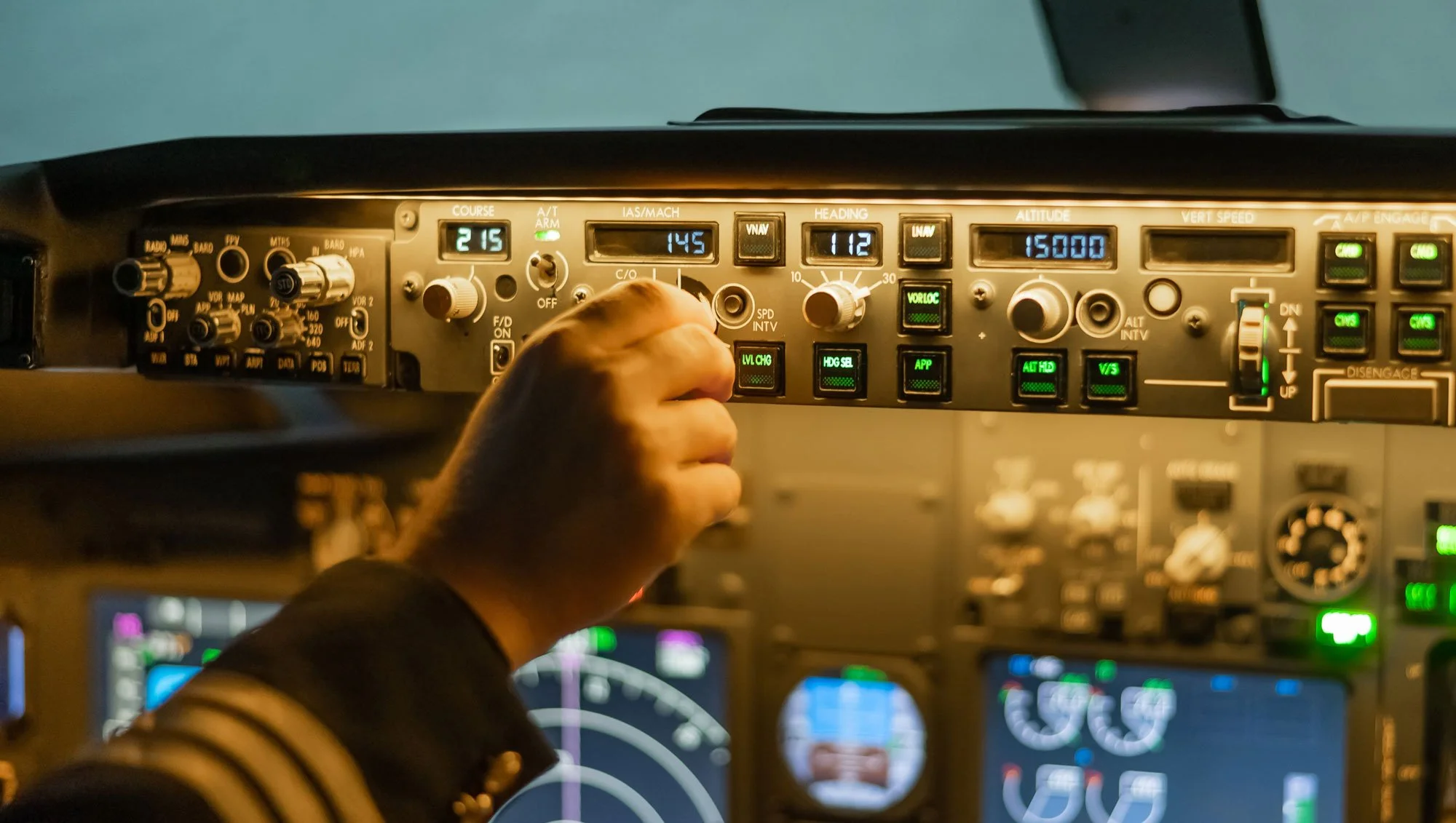
Accelerated Career Pilot Program
For students who are ready to fully commit to their training, the Zero-to-Hero Career Pilot Program can be completed through an accelerated fast track pathway. This option is designed for motivated students who are able to dedicate significant time and focus to their training schedule, allowing them to progress through each phase of the program in an efficient and structured manner.
Students enrolled in the fast track pathway train on a consistent schedule with frequent flight lessons and ground training to maintain momentum and maximize learning retention. By training regularly and staying immersed in the program, students can move smoothly from one certification to the next while building skills, confidence, and experience along the way. In ideal conditions, highly motivated students may complete the entire Zero-to- program in as little as 9 months!

Newest Aircraft
Garmin G1000 NXi and G3X technology sets you up for success as you learn on the same type of equipment you’ll use in your career.
Full-Motion Simulator
Vertical Vision Flight Academy is one of the only flight schools in the State of Iowa with an FAA-approved full-motion flight simulator. This allows you to safely learn how to handle a wide variety of scenarios.
Formal Ground Classes
Vertical Vision Flight Academy provides structured, in-person ground classes that give students the technical knowledge and understanding required to operate safely and succeed in a professional aviation career.
Newest Technology
Stay ahead of the curve: Vertical Vision Flight Academy offers cutting-edge training with the latest technological advancements.

Standardized Instruction
Vertical Vision Flight Academy instructors are the best of the best. While instruction is personalized to the student’s needs, we ensure that training methods meet the highest standards.

Positive Learning Environment
Vertical Vision Flight Academy is committed to maintaining a positive learning environment where students can build confidence, develop their skills, and succeed in their aviation training.